Earth Playground
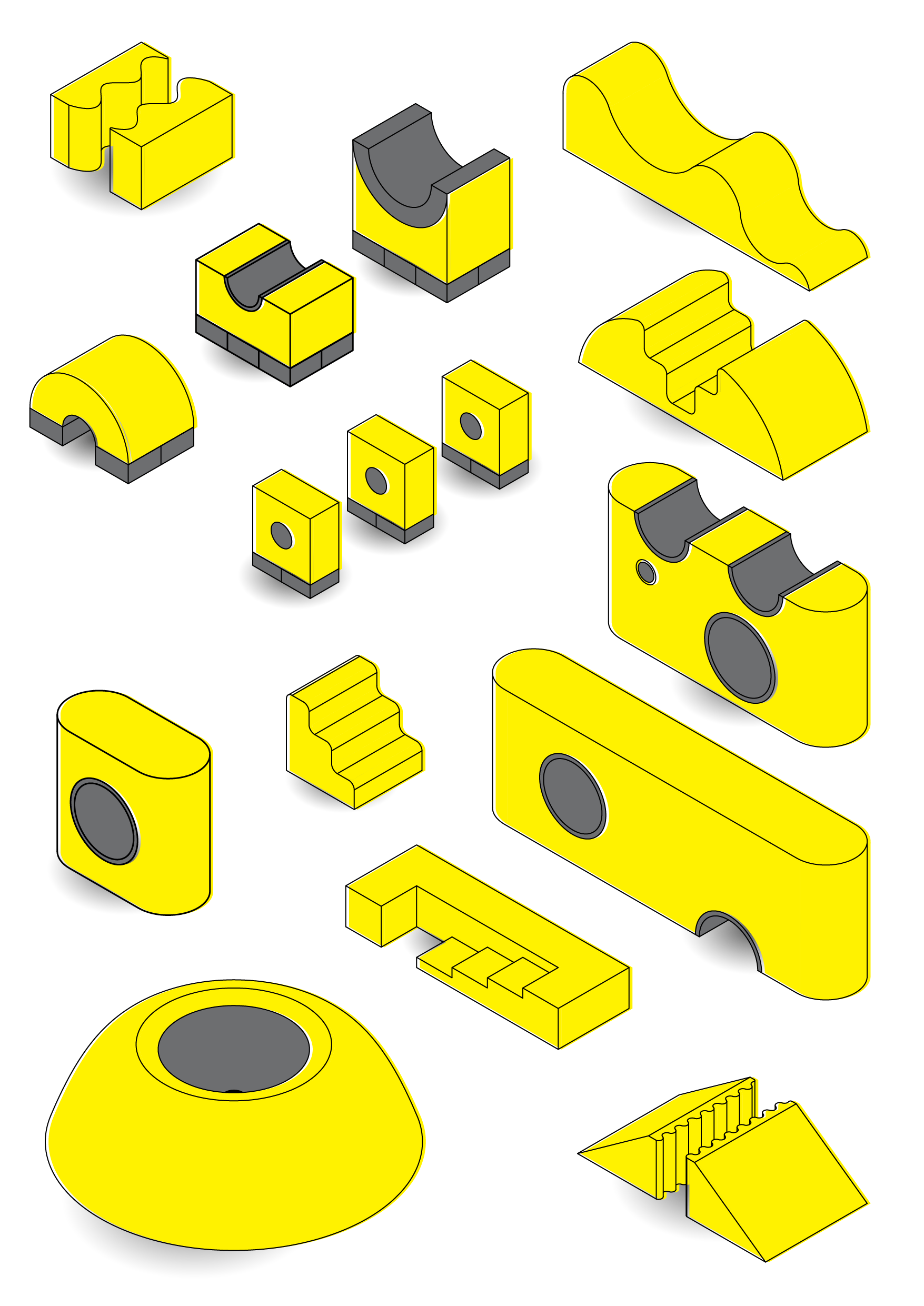
Earth Playground is an Arts Council funded research project that explores earth as a building material for our play structures. As part of the research we learned traditional cob building techniques at CAT in Wales and developed multiple experiments to test the possibilities and limitations of earth for our future projects.
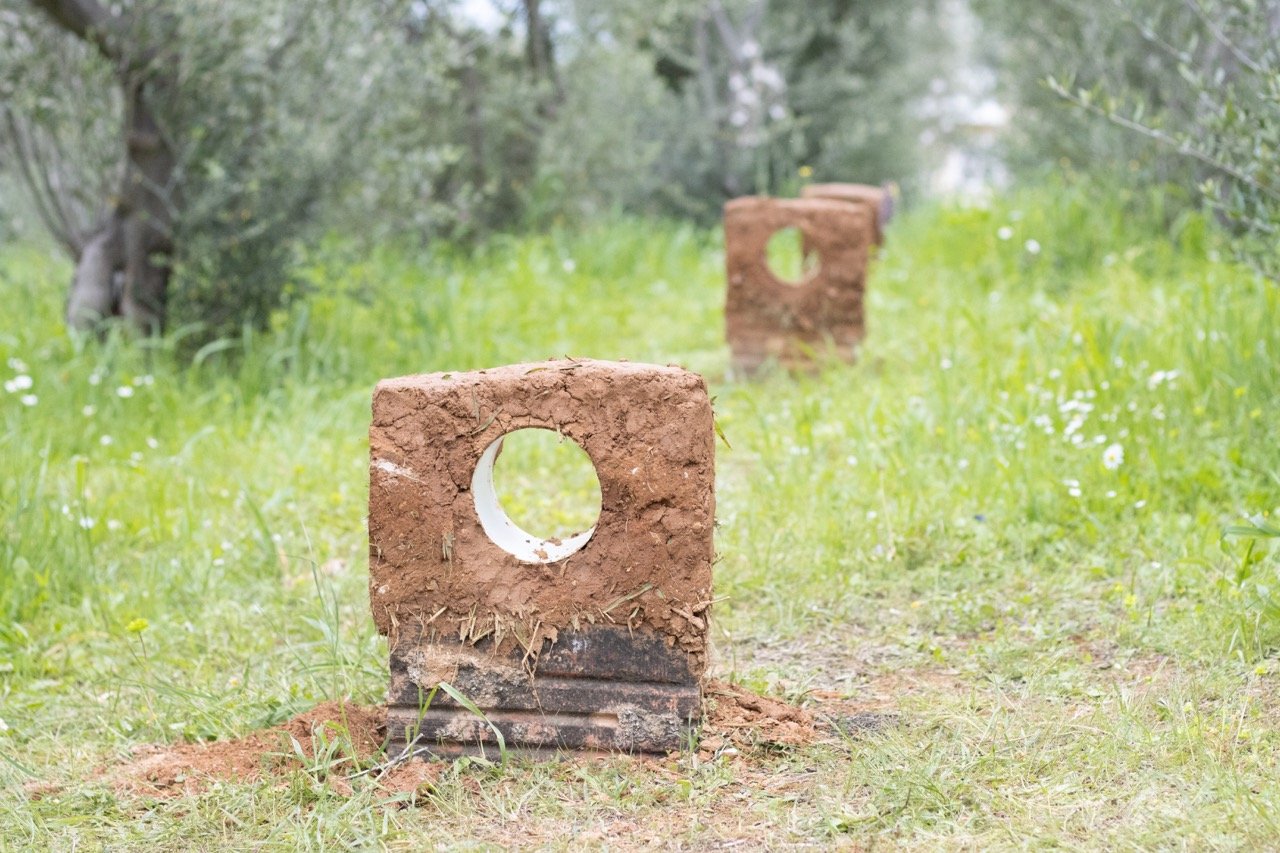
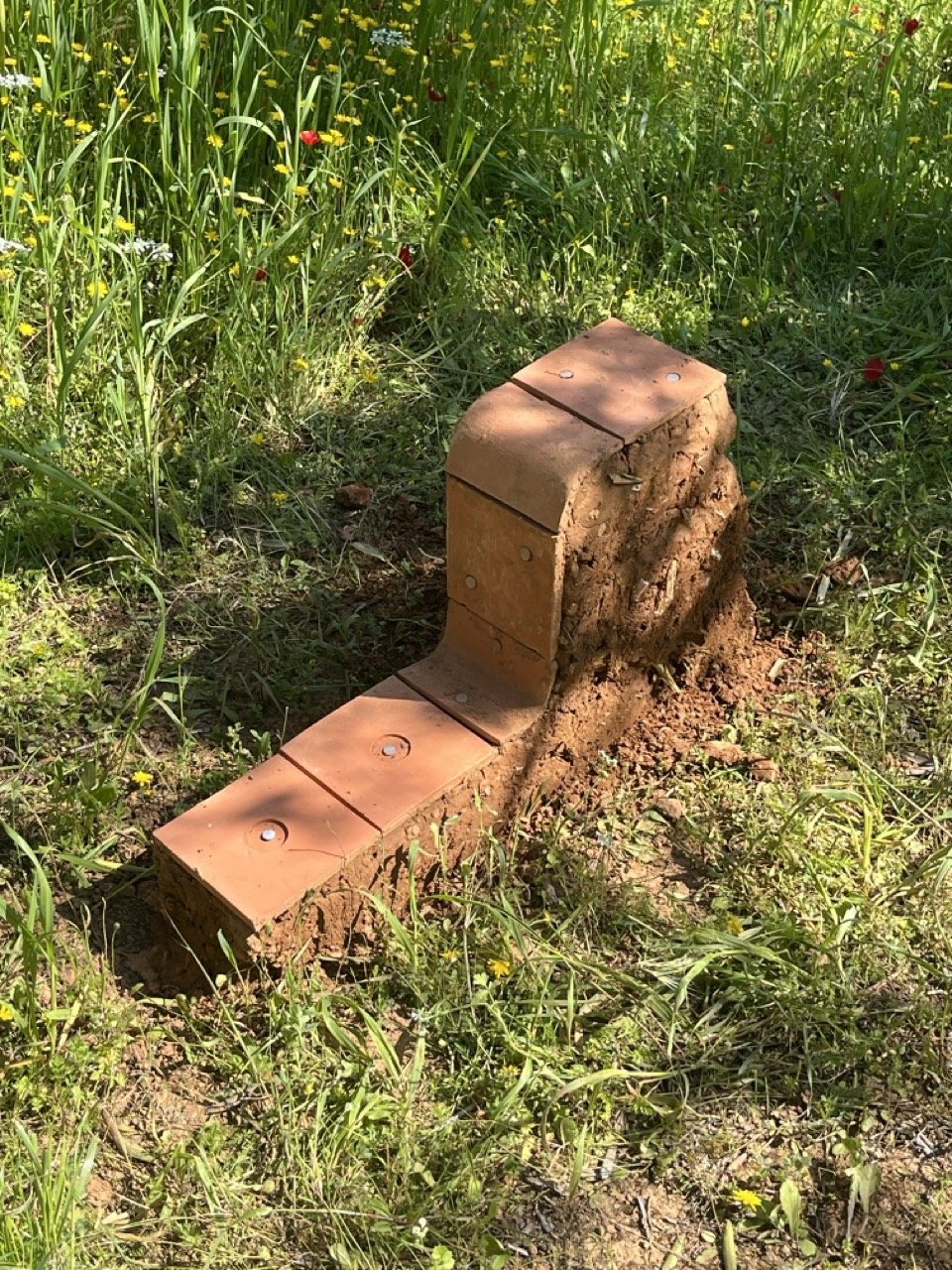
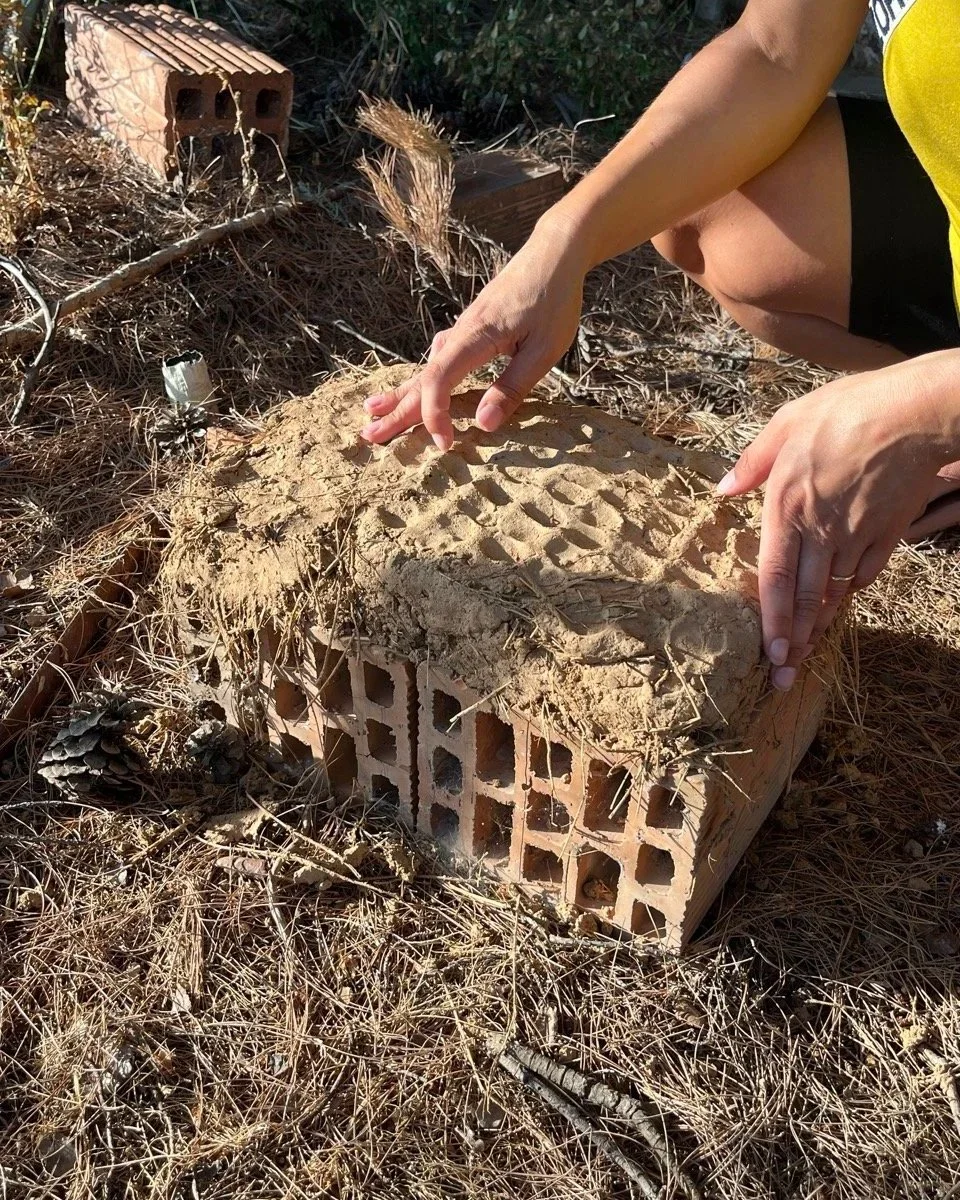
Earth is a building material that has been used for thousands of years. It is free and democratic, with very little technology required to use it. Building with earth is straightforward, and allows for many shapes and forms. Earth can be combined with other materials such as timber and metal to provide more complex structures, which can be reused between installations. As rammed earth specialist Martin Rauch writes, installations can return to nature, breaking down into their original material constituents.
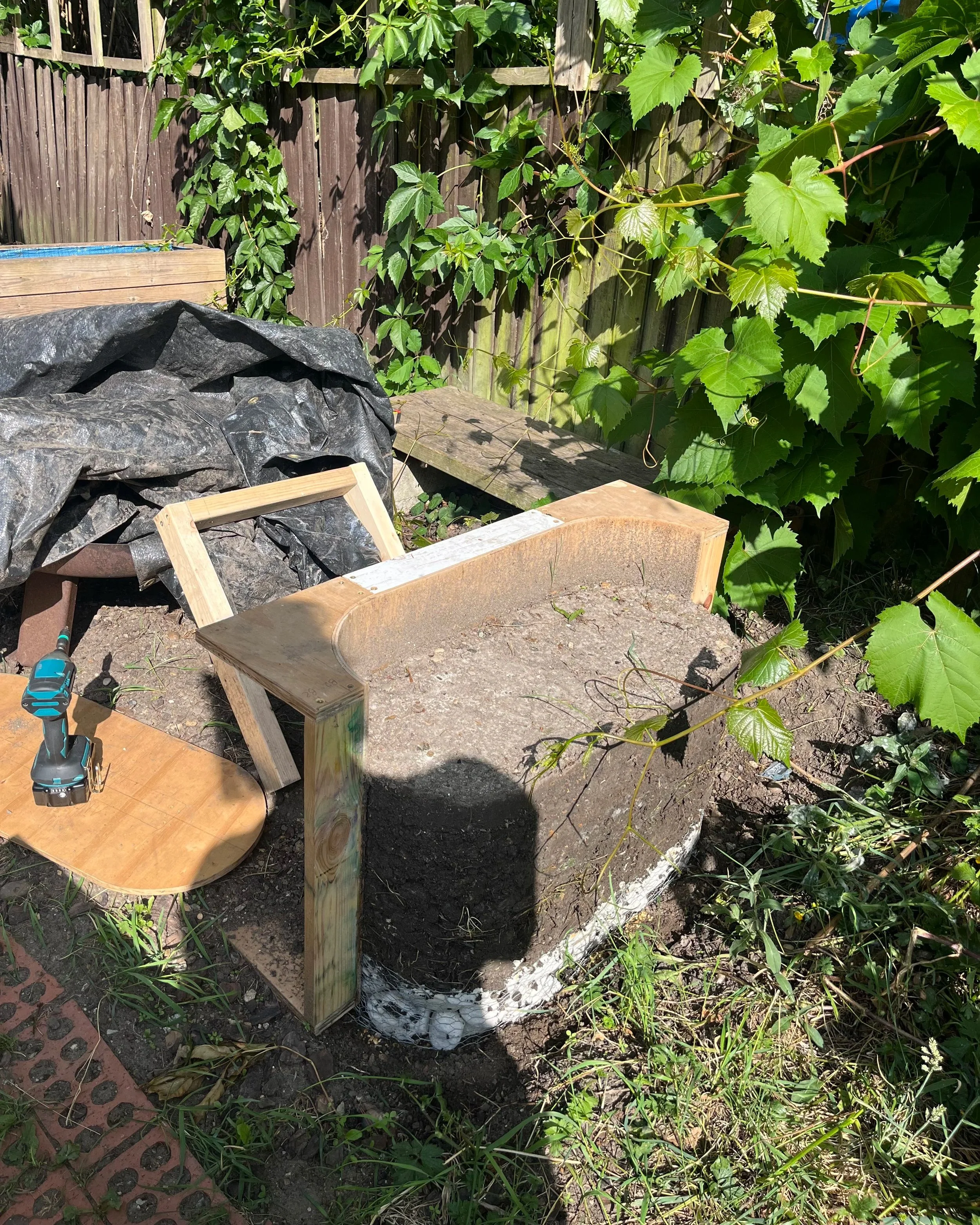
We believe that earth can be harnessed to build exciting new play installations, with several advantages. Their lifetime can be adjusted to be long-lasting or temporary, depending on the construction techniques used. Earth is a free material, often disposed of and shipped away from a site. It is also sustainable since it is a monomaterial and can degrade easily. Building with earth is inherently participatory, requiring a strong community to build a project.